Ledger Login: A Complete Guide to Securely Accessing Your Ledger Wallet
In the world of cryptocurrency, security is everything. As digital assets continue to grow in popularity, the need for safe and reliable storage solutions has become more important than ever. Hardware wallets like Ledger have emerged as one of the most trusted ways to protect crypto holdings from online threats. However, many users—especially beginners—often get confused about how the Ledger login process works, since hardware wallets operate differently from traditional online accounts. This comprehensive guide explains what Ledger login means, how to access your wallet securely, common issues users face, and best practices for long-term safety.
Understanding the Ledger Login Concept
Unlike web-based crypto wallets or centralized exchanges, Ledger doesn’t have a direct username-and-password login system. Instead, access to the wallet is tied to the physical Ledger device and the PIN set during its initial setup. This means you do not "log in" online; you authenticate yourself through the device.
Ledger provides two popular hardware wallet models:
Ledger Nano S Plus
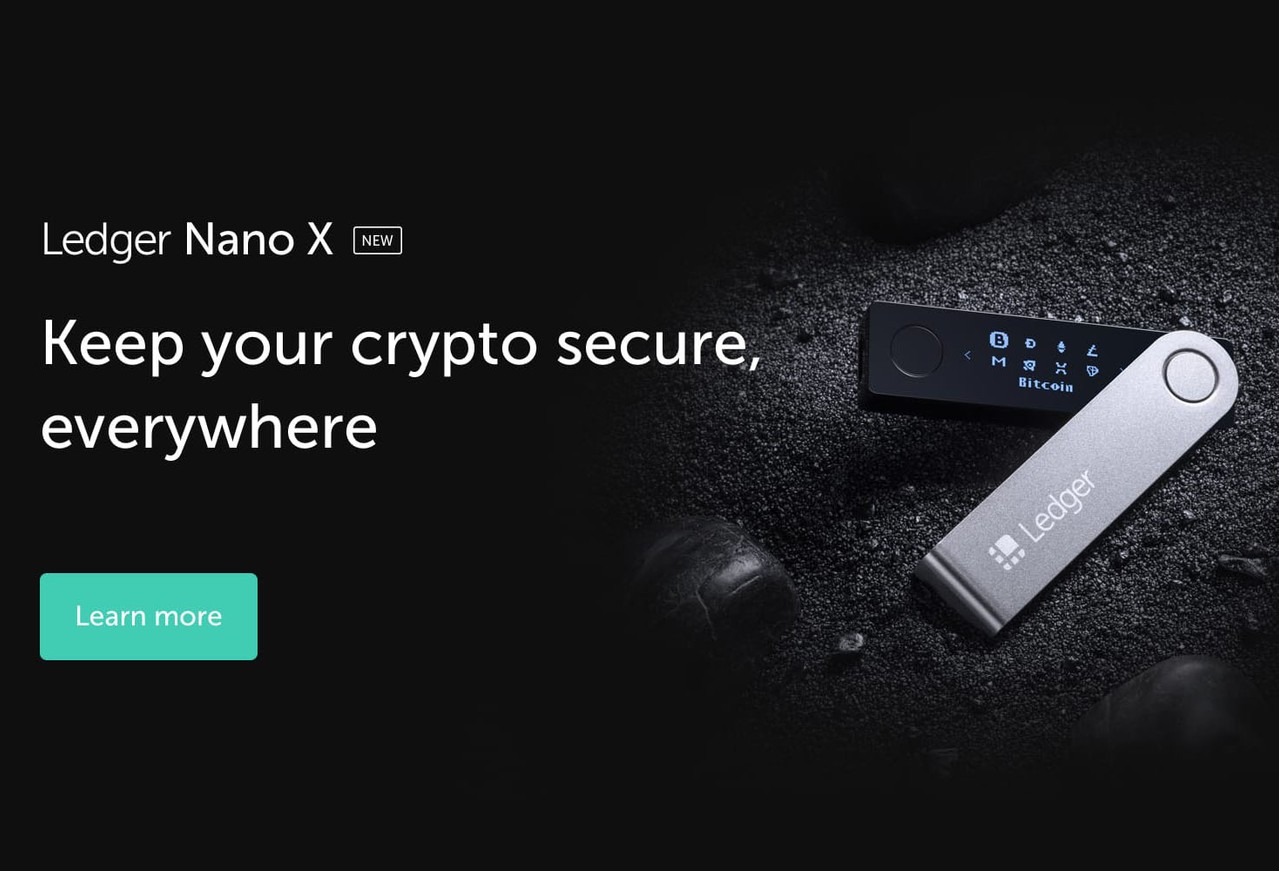
Ledger Nano X
Both devices require a PIN code and a recovery phrase for ownership verification. When people talk about “Ledger login,” they usually refer to either:
Unlocking the Ledger device with the PIN.
Connecting the device to Ledger Live and authorizing access.
Using the recovery phrase to restore wallet access if the device is lost or reset.
This approach eliminates online attack vectors, making Ledger one of the safest crypto management tools available.
How Ledger Login Works with Ledger Live
Ledger Live is the official application used to manage crypto assets stored on the Ledger device. It is available for desktop and mobile, and it serves as the management interface for your coins and tokens.
Logging into Ledger Live involves three simple steps:
1. Launch Ledger Live
Open the application on your desktop or mobile device. Ledger Live will prompt you to connect your hardware wallet if it isn’t already attached.
2. Connect Your Ledger Device
Plug in your Ledger Nano to your computer or connect via Bluetooth if using a Ledger Nano X with mobile.
3. Enter Your PIN
Once connected, unlock your Ledger hardware wallet using your PIN. This step is essential and acts as the actual "login" to the device.
After unlocking the hardware wallet, Ledger Live automatically synchronizes with the device, allowing you to:
View balances
Send or receive cryptocurrencies
Install or manage apps on the device
Check portfolio insights
Sign transactions securely
There is no password or online login for Ledger Live, which prevents hackers from gaining unauthorized access remotely.
Why Ledger Uses a PIN Instead of a Traditional Login
Ledger’s security model is based on offline protection. The PIN ensures that even if someone physically steals your device, they cannot access your funds. The recovery phrase, on the other hand, ensures that you never lose access even if the device is damaged or reset.
The absence of an online login system protects your crypto in several ways:
No Central Database to Hack
Since no cloud-based login information exists, hackers cannot steal passwords or breach user accounts.
Cold Storage Security
Funds stay offline at all times, reducing exposure to phishing attacks, malware, and remote system compromises.
Owner-Exclusive Access
Only the person holding the device and PIN can approve actions or sign transactions.
This makes Ledger one of the safest ways to store digital assets long-term.
Common Ledger Login Issues and Solutions
Even though the process is simple, users sometimes encounter difficulties. Here are some common problems and how to solve them:
1. Incorrect PIN Attempts
If you enter the wrong PIN three times, the device automatically resets as a security measure. If this happens, you need to restore your wallet using your recovery phrase.
2. Ledger Live Not Detecting the Device
This can happen for various reasons. Solutions include:
Trying a different USB cable
Restarting Ledger Live
Updating the device’s firmware
Enabling “Ledger Manager” under device settings
3. Bluetooth Issues on Ledger Nano X
If using mobile:
Turn Bluetooth on and off
Restart the phone
Ensure the device battery is charged
Remove previously paired devices and pair again
4. Ledger Live Stuck on Loading
This usually means:
The app needs updating
The computer needs rebooting
The cache may be corrupted
Refreshing the app or reinstalling Ledger Live typically resolves the issue.
Importance of the Recovery Phrase in Ledger Login
When setting up your Ledger for the first time, it generates a 24-word recovery phrase. This phrase is the ultimate key to your wallet. Your recovery phrase:
Can restore your wallet even if the device is lost
Gives complete access to your funds
Must be kept entirely offline
Should never be shared, photographed, or stored digitally
If someone has your recovery phrase, they have full control of your crypto—even without your device. That’s why Ledger emphasizes the phrase as the cornerstone of wallet access.
Best Security Practices for Safe Ledger Login
To ensure maximum protection, keep these practices in mind:
✔ Use a Strong and Unique PIN
Choose a PIN that other people cannot guess easily.
✔ Keep Firmware and Ledger Live Updated
Updates include critical security patches.
✔ Never Enter Your Recovery Phrase Online
Ledger will never ask you for your recovery phrase on a website or app.
✔ Avoid Public Computers
Only use trusted devices when accessing Ledger Live.
✔ Store Your Recovery Phrase in Multiple Safe Places
Fireproof safes or metal recovery plates are recommended.
✔ Be Aware of Phishing Attempts
Always double-check URLs and avoid downloading unofficial software.
Security starts with awareness, and Ledger gives the tools required to maintain safe access to your assets.
Why Ledger Login Is Considered One of the Safest Methods in Crypto
The combination of hardware authentication, PIN protection, offline private keys, and recovery phrase backup makes Ledger an industry leader in crypto security. Unlike online wallets, where login credentials are vulnerable to cyberattacks, Ledger’s offline approach provides full control and minimizes risk.
Additional benefits include:
Private keys never leave the device
Transactions require physical confirmation
All operations are verifiable and tamper-resistant
This offline-first structure is designed to safeguard crypto assets, even in the face of sophisticated hacking attempts.
Final Thoughts
The concept of Ledger login may seem unusual to users accustomed to email-password systems, but that difference is exactly what makes Ledger secure. By relying on hardware-based authentication instead of online accounts, Ledger reduces vulnerabilities and gives users complete control over their crypto. Understanding how the login process works—and following best practices—ensures that your digital assets remain protected for years to come.
If you’re using a Ledger device, mastering the login steps and maintaining proper security habits is essential. With the right approach, Ledger provides one of the safest and most reliable ways to manage cryptocurrencies in today’s rapidly evolving digital world.